
Ceiling Leaks Need Immediate Attention
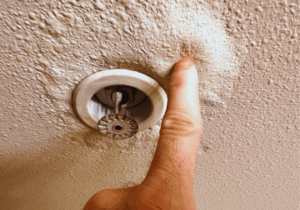 If you see watermarks on your ceiling without any other signs of a roof leak, then the problem might be your plumbing. Fixtures, pipes in crawl spaces or pipes underneath upstairs floors are susceptible to leaks. If you notice that your water bill’s been creeping up despite not changing your water usage, then you may be in need of a professional ceiling leak repair. When your water pressure is unusually low, that’s another sign of a leak.
If you don’t have a ceiling leak repair done by a professional, then moisture in the floors and walls will ultimately lead to weaker support beams or load-bearing walls, which could lead to catastrophe. In the meantime, all that moisture can also lead to mold or mildew growth, which can make you or your loved ones sick. In the long term, any repairs or remediation efforts will become extremely expensive.
What Causes Ceiling Leaks?
Here in Washington, the two largest causes of non-roof ceiling leaks are cold weather and plumbing age. This part of the country can get quite cold in the winter, and bitter cold leads to frozen or burst pipes. Sometimes, they can cause small leaks that aren’t as dramatic as normal pipe bursts, but they can lead to major issues.
Older homes usually have older plumbing, and as pipes age, they can develop pinhole leaks that spill water into the spaces between floors. If you don’t get a ceiling leak repair done, then those leaks can grow.
If you have a radiant heating system, leaks can occur if too much stress is applied to the system’s joints. This can happen if your upstairs floorboards start to shift. The telltale sign of this kind of leak is a warped or unusually lumpy floor over the affected pipe.
Finally, damaged fixtures can lead to large leaks. Fixture damage can be caused by storms, earthquakes, blunt force or old age. In any event, you may not notice these leaks until you see wet spots on your ceiling. Even then, you may attribute it to a roof leak unless you can spot the difference.
What Do You Do for a Ceiling Leak?
 If you see a ceiling leak, then you should turn off the water at the main shut-off valve right away. Next, check for any pooling that may be present and dry it up with towels. After that, you should contact the experts at Apollo Plumbing.
Our ceiling leak repair experts can show where your leak is, and we’ll do our best to have your plumbing repaired or replaced as soon as possible. Each member of our team has years of experience, so we know the importance of rapid service.
We pride ourselves on our close attention to detail. We won’t finish our ceiling leak repair work until you’re satisfied with our progress. Contact Apollo Plumbing today to schedule an appointment or receive more information.
Ceiling Leak Repair – FAQ
How do I know if my ceiling leak is from plumbing or the roof?
Leaks during rain usually point to roof issues. Leaks that happen anytime—especially near bathrooms or kitchens—often come from plumbing.
What should I do first when I see water leaking from my ceiling?
Turn off the water at the main shut-off valve, clean up any pooling, and call Apollo Plumbing for leak detection.
Can a small ceiling leak get worse?
Yes. Even slow leaks lead to water damage, mold, and weakened drywall or framing.
 Why is my water bill rising if I don’t see a leak?
Hidden leaks can drip behind walls or between floors, causing rising water usage without visible signs.
Is it dangerous to ignore a ceiling leak?
Yes. Water can weaken support structures, create electrical hazards, and cause mold growth.
Can Apollo Plumbing find the exact source of the ceiling leak?
Yes. We use professional leak detection tools to pinpoint the source and repair the plumbing issue.
Should I try fixing a ceiling leak myself?
DIY patches don’t address the cause. A professional repair prevents hidden damage and repeat leaks.