
In general, plumbing fixtures should be repaired when the problem is minor and the fixture is still in good condition. Replacement is usually the better option when the fixture is old, breaks often, wastes water, or no longer works well for your home.
Repairing a plumbing fixture can save money in some cases. However, repeated repairs can become more expensive than installing a new fixture. The best choice depends on the fixture’s age, condition, efficiency, repair cost, and expected lifespan.
 Quick Takeaways
- Minor leaks and worn parts can often be repaired.
- Older fixtures with recurring problems are usually worth replacing.
- Water efficiency is an important reason to upgrade.
- Cosmetic damage alone may not require replacement.
- Professional fixture installation helps prevent future plumbing issues.
- A plumber can recommend the most cost-effective option.
Should You Repair or Replace Plumbing Fixtures?
You should repair a plumbing fixture when the damage is limited, replacement parts are available, and the fixture still performs well. You should replace it when repairs are becoming frequent, the fixture is badly damaged, or a newer model would reduce water waste.
The right course of action depends on several factors:
- The age of the fixture
- Its overall condition
- The cost of the repair
- The price of a new fixture
- Its water efficiency
- Its long-term reliability
A small repair may extend the fixture’s life for several years. However, replacing an older fixture can sometimes cost less over time than paying for repeated service calls.
When Is It Better to Repair a Plumbing Fixture?
Repair is often the best option when the problem is small and the fixture is otherwise in good condition.
Minor Leaks
Minor leaks are often caused by worn washers, seals, cartridges, or supply connections. These parts are usually inexpensive and can often be replaced without removing the entire fixture.
A dripping faucet is a common example. If the faucet body is still solid and free from corrosion, a cartridge or seal replacement may solve the problem.
Worn Washers, Cartridges, or Seals
Internal parts wear down with use. This can lead to dripping, difficulty turning handles, or uneven water flow.
Replacing these parts is often a practical repair. This works best when the fixture is newer. It also helps when parts are easy to find.
Loose Handles or Hardware
Loose handles, mounting hardware, and trim pieces do not always mean the fixture needs to be replaced. Tightening or replacing a small part may restore normal operation.
Small Repairs on Newer Fixtures
A newer fixture may still have many years of use left. Repair usually makes sense when the fixture has not developed rust, cracks, or repeated mechanical issues.
The manufacturer’s warranty may also cover certain parts or defects.
Fixtures in Good Overall Condition
Cosmetic wear alone does not always justify replacement. A fixture may look dated but still operate well.
If you are happy with its appearance and performance, a basic repair may be all that is needed.
When Is It Better to Replace a Plumbing Fixture?
Replacement becomes a better choice when the fixture has ongoing problems or no longer performs as it should.
Frequent Repairs
A fixture that needs regular repairs may be nearing the end of its useful life. Replacing one worn part after another can quickly add up.
If you have already repaired the same fixture several times, replacement may offer better value.
Rust, Corrosion, or Cracks
Rust and corrosion can weaken a fixture and make leaks more likely. Cracks are especially serious in toilets, sinks, and other fixtures that hold or carry water.
A cracked toilet tank or bowl should usually be replaced. Repairing it may not provide a safe or lasting result.
Outdated or Inefficient Fixtures
Older fixtures often use more water than current models. Toilets, faucets, and showerheads have improved greatly in recent years.
Replacing an inefficient fixture can reduce water waste without reducing performance.
Poor Water Flow
Weak water flow may be caused by mineral buildup or worn internal parts. Cleaning or replacing an aerator may help in some cases.
However, a badly corroded fixture may continue to restrict water flow. Replacement may be the better option, especially if the rest of the home has normal water pressure.
Low water pressure throughout the home may point to a larger plumbing problem rather than one bad fixture.
Remodeling a Kitchen or Bathroom
A remodel is a natural time to replace older fixtures. New faucets, toilets, sinks, and shower fixtures can improve function and match the updated design.
Replacing fixtures during remodeling may also reduce labor costs because the area is already open and accessible.
Replacement Parts Are Hard to Find
Parts for older or discontinued fixtures can be difficult to locate. Custom or outdated parts may also cost more than expected.
When replacement parts are unavailable, installing a new fixture is often the simplest course of action.
6 Questions to Help You Decide
These six questions can help you choose between repair or replacement.
1.  Is the Fixture More Than 10 to 15 Years Old?
Age alone does not mean a fixture must be replaced. However, older fixtures are more likely to have worn parts, corrosion, and lower water efficiency.
Some fixtures can last 20 years or longer with proper care. Their actual lifespan depends on material quality, water conditions, installation, and use.
2. Does It Leak Repeatedly?
One small leak may be easy to repair. A leak that keeps returning can point to deeper wear inside the fixture.
Repeated leaking also increases water waste and may damage cabinets, flooring, or walls.
3. Will the Repair Cost Approach the Replacement Cost?
Compare the total repair cost with the cost of a new fixture and installation.
A repair may not make sense when it costs nearly as much as replacement, especially if the old fixture could fail again soon.
4. Are Replacement Parts Still Available?
Common parts are usually easy to find for current fixture models. Older or unusual fixtures may require special-order parts.
If parts are expensive or unavailable, replacement may be more practical.
5. Is the Fixture Wasting Water?
A constantly running toilet or dripping faucet can waste a large amount of water over time.
A repair may stop the waste. However, an older fixture may still use more water during normal operation than a modern model.
6. Are You Planning a Remodel Soon?
It may not make sense to spend money repairing a fixture you plan to replace in a few months.
If a remodel is already planned, a temporary repair may be enough until the new fixture is installed.
Can Replacing Fixtures Save Money?
Replacing plumbing fixtures can lower costs in several ways.
Lower Water Bills
Modern fixtures are designed to use less water while maintaining good water flow. Efficient toilets, faucets, and showerheads can reduce monthly water use.
Fewer Repair Costs
A new fixture is less likely to need repeated repairs. This can lower service costs and reduce the risk of surprise leaks.
Improved Reliability
New fixtures often have updated valves, seals, and internal parts. Reliable operation can help prevent leaks and water damage.
Better Performance
A replacement fixture may improve water flow, flushing performance, temperature control, or ease of use.
However, a new faucet will not fix low water pressure. This pressure can come from clogged pipes, a bad pressure regulator, or another system-wide issue.
Increased Home Value
Updated fixtures can improve the appearance and function of kitchens and bathrooms. Buyers often notice old, stained, or damaged fixtures during showings and a home inspection.
New fixtures may not add a large amount of value on their own, but they can make the home feel better maintained.
Should You Repair or Replace These Common Fixtures?
The best choice often depends on the type of plumbing fixture and the specific problem.
Faucets
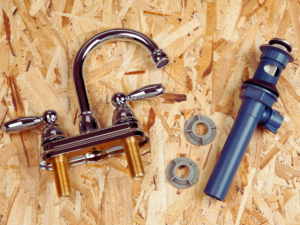 Repair a faucet when the problem involves:
- A worn cartridge
- A damaged washer or seal
- A clogged aerator
- A loose handle
- A minor leak
Replace a faucet when it has:
- Heavy corrosion
- Cracks
- Repeated leaks
- Hard-to-find parts
- Poor water flow that cannot be corrected
- An outdated design you no longer want
A faucet repair can be simple, but hidden corrosion around connections may make replacement safer.
Toilets
Repair a toilet when the problem involves:
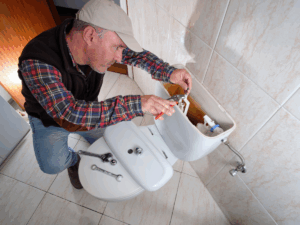 A worn flapper
- A faulty fill valve
- A loose handle
- A damaged seal
- A minor clog
Replace a toilet when it has:
- A cracked bowl or tank
- Frequent clogs
- Repeated internal part failures
- Poor flushing performance
- High water use
- A rocking base caused by fixture damage
A toilet can often last 20 years or longer. However, age and water use should be considered together.
Shower Fixtures
Repair shower fixtures when the problem involves:
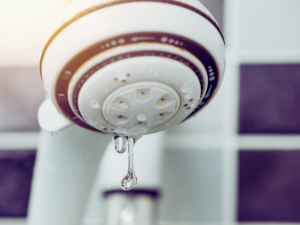 A worn cartridge
- A leaking showerhead
- A clogged spray nozzle
- A loose handle
- A minor trim issue
Replace shower fixtures when there is:
- Severe corrosion
- A damaged valve body
- Poor temperature control
- Repeated leaks
- An outdated setup during a remodel
A damaged valve behind the wall may require more work than replacing a visible showerhead or handle.
Why Professional Fixture Installation Matters
A new fixture can still leak or perform poorly when it is installed incorrectly.
Professional fixture installation helps create secure connections and proper seals. It also reduces the risk of damage to supply lines, drains, cabinets, walls, and flooring.
A plumber can also check for related problems before installation. These may include high water pressure, corroded shutoff valves, worn supply lines, or hidden leaks.
Some manufacturers may require professional installation for parts of the warranty to remain valid. Proper installation also helps the fixture operate at the correct water flow and pressure.
The same principle applies to larger plumbing equipment. For example, a water heater repair or replacement decision should consider age, condition, efficiency, and long-term costs. A plumber can use a similar process when evaluating fixtures throughout the home.
FAQ
Is it cheaper to repair or replace a faucet?
Repair is usually cheaper when the faucet only needs a washer, cartridge, seal, or aerator. Replacement may cost less over time when the faucet is badly corroded, frequently leaks, or needs hard-to-find parts.
How long do plumbing fixtures typically last?
Many faucets and toilets can last 15 to 20 years or longer. Lifespan depends on the fixture’s quality, water conditions, use, maintenance, and installation.
Should I replace all my plumbing fixtures at once?
Not always. You can replace fixtures one at a time based on age, condition, and priority. Replacing several fixtures together may make sense during a bathroom or kitchen remodel.
Can old plumbing fixtures increase my water bill?
Yes. Dripping faucets, running toilets, and inefficient fixtures can increase water use. Repairing leaks or installing efficient replacements can reduce water waste.
Can a plumber tell me whether repair or replacement makes more sense?
Yes. A plumber can inspect the fixture, identify the cause of the problem, and compare the likely repair cost with the cost and benefits of replacement.
Repair What You Can. Replace What You Should.
Not every fixture problem requires a new installation. However, continuing to repair an old or unreliable fixture may cost more over time.
 Apollo Plumbing helps homeowners in Everett, WA, and surrounding communities choose the right course of action. Our plumbers can inspect the fixture, explain the available options, and help you compare repair or replacement costs.
When replacement makes more sense, our professional fixture installation service can help prevent leaks and provide reliable performance.
Apollo Plumbing is Ready Right Now to help.