
Most plumbing fixtures last 10 to 30 years. This depends on the fixture type, water quality, maintenance, and how often you use it. While many fixtures can be repaired, some problems mean you should replace them.
Not every plumbing fixture has the same lifespan. A faucet may need replacement well before a toilet. A garbage disposal usually wears out faster than both.
Proper maintenance, good water quality, and timely repairs can help extend the life of many common plumbing fixtures. Below, you’ll learn the average plumbing fixture lifespan, what affects it, and the signs that it’s time for a replacement.
 Quick Takeaways
- Most plumbing fixtures last 10 to 30 years.
- Water quality and maintenance affect fixture lifespan.
- Many fixtures can be repaired before replacement is needed.
- Recurring leaks and corrosion shorten service life.
- Replacing worn fixtures can improve efficiency and reliability.
- A plumber can determine whether repair or replacement makes more sense.
What Affects the Lifespan of Plumbing Fixtures?
Several factors determine how long a plumbing fixture will last. Understanding the lifespan of your fixtures can help you plan repairs before major problems develop.
Water Quality
Water quality plays one of the biggest roles in plumbing fixture lifespan. Water with high mineral levels or other contaminants can wear down internal parts faster than clean water.
Hard Water and Mineral Buildup
Hard water leaves behind mineral deposits that collect inside faucets, showerheads, and other fixtures. Over time, this mineral buildup can reduce water flow, damage seals, and shorten the fixture’s lifespan.
Frequency of Use
Fixtures used several times each day naturally experience more wear than those used occasionally. A kitchen faucet, for example, often reaches the end of its service life before a guest bathroom faucet.
Installation Quality
Even a high-quality fixture can fail early if it is installed incorrectly. Loose connections, improper sealing, or poor alignment may lead to leaks or premature wear.
Professional installation helps fixtures perform as intended from day one.
Maintenance
Routine maintenance can add years to many plumbing fixtures. Cleaning aerators, replacing worn seals, and fixing minor leaks early help prevent larger problems later.
Water Pressure
High water pressure places additional stress on faucets, valves, supply lines, and other fixture components. Over time, excessive pressure can increase wear and lead to leaks.
Maintaining proper water pressure helps protect your plumbing system and extend fixture life.
Average Lifespan of Common Plumbing Fixtures
The lifespan of a plumbing fixture depends on its design, materials, maintenance, and everyday use.
Faucets
Average lifespan: 15–20 years
A quality faucet can last 15 to 20 years or longer with proper care. Faucets made from brass or stainless steel often last longer than lower-quality materials.
Replacing washers, cartridges, and seals as they wear can help extend the fixture’s life.
Toilets
Average lifespan: 20–50 years
Porcelain toilet bowls and tanks can last for decades. However, the internal components usually wear out much sooner.
Fill valves, flappers, and flush mechanisms often require replacement every several years. Frequent repairs may mean it’s time to replace the whole toilet. This is especially true if it uses much more water than newer models.
Showerheads
Average lifespan: 10–15 years
Showerheads often last 10 to 15 years.
Hard water can clog spray openings with mineral deposits, reducing water flow and affecting performance. Regular cleaning can help keep a showerhead working properly.
Sink Drains and Pop-Up Assemblies
Average lifespan: 15–20 years
Drain assemblies are exposed to moisture every day. Over time, seals, finishes, and moving parts can wear out.
Visible corrosion or recurring leaks around the drain are common signs that replacement may be needed.
Garbage Disposals
Average lifespan: 8–15 years
Garbage disposals generally have the shortest lifespan among common plumbing fixtures.
Heavy use, improper items placed into the disposal, and worn internal components all affect how long they last.
Signs a Plumbing Fixture Is Near the End of Its Life
Even well-maintained fixtures eventually wear out. These warning signs may indicate it’s time to replace a fixture instead of repairing it again.
 Frequent Repairs
If you continue repairing the same fixture, replacement may become the more cost-effective long-term solution.
Repeated service calls can quickly exceed the cost of installing a new fixture.
Recurring Leaks
A fixture that continues leaking after multiple repairs often has deeper internal wear that simple repairs cannot solve.
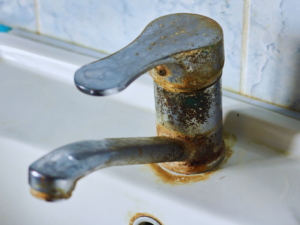
Rust or Visible Corrosion
Visible corrosion is a sign that the fixture material is deteriorating. Rust can affect appearance, performance, and reliability.
Cracks or Visible Damage
Cracked porcelain, damaged faucet bodies, or broken fixture components should generally be replaced rather than repaired.
Poor Water Flow
Mineral buildup, worn internal parts, and corrosion can all reduce water flow over time.
While some restrictions can be cleaned, others indicate the fixture is reaching the end of its useful life.
Constant Clogs or Poor Performance
Fixtures that no longer perform properly despite repeated cleaning or repairs may simply be worn out.
Replacement Parts Are Difficult to Find
Some older fixtures are no longer supported by manufacturers. When replacement parts become difficult or expensive to locate, replacing the fixture often makes more sense.
Can You Extend the Life of Plumbing Fixtures?
Yes. Proper care can significantly increase the lifespan of many plumbing fixtures.
Clean Fixtures Regularly
Regular cleaning removes soap scum, dirt, and mineral deposits before they cause problems.
Fix Small Leaks Early
A small drip today can become a much larger repair later. Addressing leaks early helps prevent unnecessary wear.
Reduce Hard Water Buildup
If hard water is common in your area, clean often or install a water softener. This can reduce mineral buildup inside fixtures.
Avoid Harsh Chemical Cleaners
Strong chemical cleaners may damage finishes, seals, and other fixture components.
Gentle cleaning products are usually the better choice.
Maintain Proper Water Pressure
Keeping water pressure within the recommended range reduces stress on plumbing fixtures and helps them last longer.
Schedule Routine Plumbing Inspections
Routine inspections can identify worn parts before they fail and help homeowners avoid expensive emergency repairs.
Should You Repair or Replace an Older Fixture?
Many older fixtures can still be repaired if the problem is small and replacement parts are readily available.
However, replacement often becomes the better option when repair costs continue to increase or the fixture develops recurring leaks, corrosion, or poor performance.
A newer fixture may also improve water efficiency, helping reduce water use without sacrificing performance.
If you’re remodeling a kitchen or bathroom, replacing aging fixtures during the project can also reduce labor costs and give the finished space a consistent appearance.
When deciding whether to repair or replace, consider the fixture’s age, condition, expected lifespan, and long-term value rather than focusing only on the immediate repair cost.
FAQ
Which plumbing fixture lasts the longest?
Toilets typically last the longest. A porcelain toilet can often remain in service for 20 to 50 years, although its internal components usually require replacement much sooner.
Do hard water deposits shorten fixture life?
Yes. Mineral deposits from hard water can clog fixtures, reduce water flow, wear out internal parts, and shorten their lifespan.
How often should plumbing fixtures be replaced?
There is no fixed schedule. Replacement depends on the fixture’s condition, performance, age, and maintenance history.
Can old plumbing fixtures waste water?
Yes. Older faucets, toilets, and showerheads often use more water than newer models. Leaks can also increase water waste over time.
Should I replace all my plumbing fixtures at the same time?
Not necessarily. Many homeowners replace fixtures individually as they wear out. However, replacing several fixtures during a remodel may save time and labor.
Get the Most From Your Plumbing Fixtures
 Every plumbing fixture eventually reaches the end of its service life. Knowing what to expect can help you avoid unexpected leaks, reduce repair costs, and decide when replacement makes the most sense.
If your fixtures are leaking, showing visible corrosion, or nearing the end of their expected lifespan, Apollo Plumbing can help. Our experienced plumbers serve homeowners throughout Everett, WA, and surrounding communities with honest recommendations based on your home’s needs.
Whether you need a repair or are considering our fixture installation services, we’ll help you choose the solution that provides the best long-term value.
Apollo Plumbing is Ready Right Now when you need us.