 Reliable Local Hydro-Jetting In Medina
Have you ever stood there, staring at a slow-draining sink, wondering what’s lurking inside your pipes?
I get it.
Many homeowners in Medina face this frustration. You’re dealing with soap scum, food scraps, and mineral deposits that build up over time. According to a 2026 report by Angi, the average homeowner spends around $475 for professional drain cleaning, which shows how common this problem really is.
Here’s the thing. Hydro-jetting in Medina WA uses high-pressure water streams that can reach up to 10,000 PSI. This powerful method clears out even the most stubborn blockages that regular snaking can’t touch.
So grab a cup of coffee, and let’s walk through this together. I’ll show you exactly how hydro-jetting works for Medina homes, what causes those annoying clogs, and why Apollo Plumbing stands out with fast service and expert care.
Key Takeaways
- Hydro-jetting in Medina uses water streams up to 10,000 PSI to clear tough clogs caused by soap scum, food scraps, and mineral deposits.
- Apollo Plumbing offers fast same-day hydro-jetting with certified technicians and camera inspections serving Medina, Mill Creek, Lynnwood, Everett, and Marysville.
- Over 60% of kitchen drain service calls come from food scrap buildup. Hydro-jetting fully removes these blockages when regular tools fail.
- Only professional hydro-jetting can clear stubborn mineral scale or hardened residue in pipes. Ordinary cleaning products are not effective for deep layers.
- Apollo Plumbing provides flexible financing options to help homeowners manage the cost of reliable high-pressure pipe cleaning services in Medina.
What is Hydro-Jetting?
Hydro-jetting is a professional drain cleaning method that’s more thorough than traditional snaking. It uses specialized equipment to shoot water through pipes at pressures up to 10,000 PSI.
This force breaks apart tough clogs that old tools and regular snaking can’t handle. According to experts from multiple plumbing services, while snaking only punches a hole through blockages, hydro-jetting cleans the entire diameter of the pipe. This means you get longer-lasting results, often 2 to 3 years before needing another service.
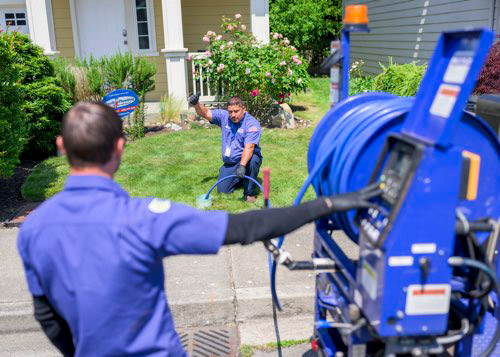
Trained technicians perform the process using cleanouts or drain openings. This means no need for digging up your yard.
The job starts with a pipe camera inspection. High-pressure jets spray both forward and backward inside the pipe to scrub away grease, mineral buildup, and years’ worth of debris. Multiple passes may be needed for stubborn blockages, and all loosened sludge washes out as clean water flows through.
Our hydro-jetting restored flow in pipes clogged so badly even power washing wouldn’t work, said Peter from Apollo Plumbing.
Hydro-jetting works on interior pipes only, not outdoor surfaces, and cannot safely use standard pressure washers. According to data from HomeGuide, the typical residential hydro-jetting service costs $600 to $1,400 depending on severity. After cleaning, you enjoy clear drains that work almost like new for years ahead.
Top Reasons for Pipe Blockages
Blocked pipes can cause slow drains, foul smells, or even sudden backups in your home. Some common issues inside the pipe may surprise you.
Each can be stubborn and tough to clear without professional help.
Soap Scum Buildup
Soap scum forms fast in your pipes. Hard water and soap together make a stubborn residue that shrinks the pipe opening.
- Bathtub drains often slow down, as thick rings of soap scum line the sides, catching hair and other debris.
- A white or yellowish layer can pile up inside shower drains. Over time, this buildup gets hard and blocks water flow.
- Kitchen sinks may also show signs but less than bathrooms since food grease combines with soap traces to stick to pipe walls.
- Drains start to smell bad after weeks of unchecked buildup, making even clean bathrooms seem dirty.
- Traditional drain cleaners almost never get rid of hardened layers. Only hydro-jetting fully clears out old residues.
- Heavy use of bar soap increases how quickly residue collects, especially if you have hard water in your home.
Removing these hard layers once they set is nearly impossible without professional tools like high-pressure hydro-jetting. Studies show that soap scum can reduce pipe diameter by up to 50% over several years, which significantly impacts water flow.
Mineral Deposits
After seeing how soap scum can cause stubborn clogs, you should also watch for mineral deposits. According to a U.S. Geological Survey, 85% of the water in the United States is considered hard water. These blockages often come from hard water in Medina and need reliable solutions like hydro-jetting.
Sign of Mineral Buildup | Where You’ll See It | Why It Matters |
|---|---|---|
White or yellowish crust | Inside pipes, feels rough like chalk | Narrows openings and slows drainage |
Fine gritty residue | Faucet aerators, showerheads | Reduces water pressure fast |
Limescale rings | Around drains, toilet bowls | Becomes tough layers regular cleaning can’t remove |
Mineral stones sometimes collect at pipe joints or bends, increasing the risk of full clogs and even leaks if ignored. Water heaters show signs of mineral accumulation on heating elements or tank walls. According to the U.S. Department of Energy, limescale buildup can reduce your water heater’s life span by 25 to 40%.
Small chips of hardened scale may break loose after running hot water for several minutes. This means a larger blockage could be forming deeper inside your system.
Pipes exposed during repairs may reveal heavy coatings that look almost like cement inside the lining. Standard drain cleaning won’t clear these away completely. Washington state has variable water hardness, with some eastern areas showing higher mineral content due to contact with limestone formations.
Food Scraps
Food scraps are the main reason for most kitchen drain clogs. Grease and oils mix with bits of food, making tough blockages that are hard to clear with regular tools.
- Bits of pasta, rice, and bread swell up in water, sticking together inside your pipes.
- Coffee grounds often build up at pipe bends. They collect with grease and other debris to create dense masses.
- Small vegetable peels slip past strainers. Over time, they cling to pipe walls and slow water flow.
- Leftover meat or bone fragments can catch inside tight spots in your plumbing. These form a base for larger clogs.
- Sauces or gravies poured into the sink coat the sides of pipes. This sticky layer then traps more scraps every day you use your kitchen.
- Egg shells might seem harmless but their sharp edges catch on rough spots inside pipes, adding to blockage risks.
- Regular use of garbage disposals does not prevent accumulation. Over 60% of service calls involve food scrap buildup that only hydro jetting can fully remove.
According to a national survey by Mr. Rooter, nearly 20% of homeowners frequently have to deal with clogged drains. Kitchen drains face a daily barrage of grease, oil, soap, and food particles that build up on the inner walls of pipes over time.
Sediment
After discussing food scraps, it’s important to look at another source of pipe blockages: sediment. Sediment includes anything that settles in your pipes and disrupts water flow.
- Dirt can enter pipes through small cracks or improper sealing, building up over time and causing serious slowdowns.
- Leaves washed into outdoor drains during storms often end up stuck inside your drainage system, leading to tough clogs.
- Small rocks sometimes infiltrate old or damaged sewer lines, making them harder for traditional cleaning methods to clear.
- Organic buildup such as plant matter and decomposed waste can form thick layers inside main lines, especially after heavy rain.
- Debris from nearby construction or yard work may slip into open drains, creating lasting obstructions underground.
- Years of accumulated sediment block water flow in both home and main sewer lines. In many cases only hydro-jetting can break through these deep-set issues.
Large amounts of sediment can damage pipe walls if not removed promptly with effective techniques like hydro jetting from local experts in Medina.
Why Choose Apollo Plumbing for Hydro-Jetting in Medina, WA?
Apollo Plumbing sends certified technicians who are trained to handle high-pressure water systems. You get safe, fast hydro-jetting service every time.
Fast response is a priority. Technicians arrive quickly with same-day appointments in Medina and nearby cities like Mill Creek, Lynnwood, Everett, and Marysville. Two local offices at 1239 State Ave., Marysville, WA 98270 and 2918 Colby Ave. #210, Everett, WA 98201 help guarantee quick arrival.
Here’s what sets Apollo Plumbing apart from competitors in the area:
Service Feature | What You Get | Why It Matters |
|---|---|---|
Camera Inspection | Video check before and after service | You see proof the job is done right |
Certified Technicians | Professional training on pressure systems | Your plumbing stays protected during the job |
Flexible Financing | Payment options for major services | Makes professional hydro-jetting affordable without delay |
Pipe cleaning includes using precise calculations for pressure and hose placement so your plumbing stays protected during the job. A final camera inspection checks if all blockages are gone before leaving your home clean and stress-free.
Most experts recommend hydro-jetting residential sewer lines every 18 to 22 months to prevent serious blockages. The service typically takes 30 to 45 minutes for standard residential work, though root-heavy or severely clogged lines may require up to two hours.
Flexible financing options make it easier for homeowners to afford professional hydro-jetting without delay or worry about cost barriers. In my own case last winter, Apollo Plumbing cleared stubborn kitchen drain buildup in just one afternoon after I called them early that morning. The technician arrived on time, explained each step patiently, and even showed video proof of clear pipes once finished. This made me feel confident in their work from start to finish.
F.A.Q.’s – Hydro-Jetting in Medina
1. What is hydro-jetting and how does it work for drain cleaning?
Think of hydro-jetting as a high-powered pressure washer for your plumbing that uses 4,000 PSI of water to scour away grease and sludge. Unlike a plumbing snake that just punches a hole in the blockage, this method cleans the entire pipe wall and slices through stubborn tree roots.
2. Why should I choose local hydro-jetting services in Medina?
Local experts understand how Medina’s specific soil conditions can shift and put stress on your sewer lines. They are also just minutes away, which is critical when you need an immediate response to a basement backup or overflow.
3. How often should residential and commercial properties schedule hydro-jetting maintenance?
Most homeowners should schedule a professional hydro-jetting service every 18 to 24 months to keep their pipes clear of roots and debris.
4. Is hydro-jetting safe for older pipes and different plumbing systems?
Your technician will always perform a video camera inspection before starting to ensure your older clay or cast iron pipes can handle the pressure. If the camera reveals any structural damage, they will adjust the settings or recommend a safer cleaning alternative.