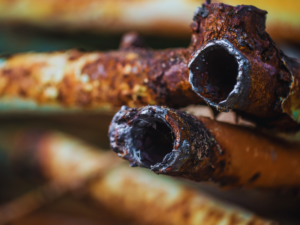
 Yes, grease can damage pipes. Not always by eating through the pipe itself, but by causing stubborn clogs.
These clogs restrict water flow. They raise pressure inside plumbing systems. They can also cause sewer line backups.
That little bit of hot grease from a pan may look harmless when it slides down the sink. The problem starts later. Grease cools, hardens, sticks to pipe walls, and traps food particles. Over time, that buildup can turn into a serious grease clog.
Many homeowners think hot water, dish soap, baking soda, or even boiling water will solve the problem. They might move grease temporarily. They do not remove it for good.
Grease-related clogs are one of the most common reasons homeowners need professional drain cleaning. And like most plumbing issues, the sooner you deal with it, the less ugly it gets.
Quick Takeaways
- Grease cools and hardens inside plumbing pipes.
- Grease sticks to pipe walls and collects food particles.
- Even small amounts of grease can cause major clogs over time.
- Hot water and dish soap do not permanently solve grease buildup.
- Grease can contribute to sewer line blockages and backups.
- Professional drain cleaning can remove grease buildup before it causes costly damage.
Can Grease Really Damage Pipes?
Yes, grease can really damage pipes by creating buildup that narrows the inside of the drain line. As the grease buildup grows, it restricts water flow and causes slow drainage.
Grease usually does not destroy a pipe overnight. It works slowly.
It coats the inside of the pipe. Then it catches food particles, cooking oil residue, soap scum, and other debris. The pipe opening gets smaller and smaller until water has nowhere to go.
That is when homeowners start noticing slow draining sinks, bad smells, a gurgling sound, or water backing up into the sink or dishwasher.
If the clog gets bad enough, pressure can build inside the drain line. That pressure can expose weak spots, loosen fittings, and contribute to leaks or sewer line backups.
In other words, grease may start as a kitchen sink problem, but it can turn into a whole-house plumbing headache.
What Happens When Grease Goes Down the Drain?
Grease does not disappear just because it leaves your sink. It keeps moving through your plumbing system until it cools, sticks, and builds up.
 Grease Starts as a Liquid but Doesn’t Stay That Way
Hot grease may look thin when you pour grease down the drain. Once it cools, it thickens and hardens.
That means grease can travel past the sink drain and settle deeper in the pipe. So even if the sink seems fine today, the problem may be forming farther down the line.
Grease Coats the Inside of Pipes
Grease clings to pipe walls. It creates a sticky layer inside the drain.
Each time more cooking oil, fat, or greasy rinse water enters the pipe, it can add another layer. That buildup reduces the open space inside the pipe and starts to restrict water flow.
Grease Traps Other Debris
Grease is sticky. That is the whole problem.
It catches food particles, coffee grounds, soap residue, and other debris that would otherwise move through the drain. Over time, the clog gets thicker and harder to clear.
That is why grease disposal matters. The best way to avoid a grease clog is to keep grease out of the drain in the first place.
Why Hot Water and Soap Don’t Prevent Grease Buildup
Hot water and dish soap may make grease easier to rinse from a pan. They do not make grease safe for your pipes.
Hot water can keep grease liquid for a short distance. Then the water cools. The grease hardens again. Now the problem may sit deeper in your plumbing system where it is harder to reach.
Boiling water has the same issue. It may move grease temporarily, but temporary movement is not the same as removal.
Baking soda may help with mild drain odors, but it will not remove heavy grease buildup inside a pipe. Once grease has coated the line, professional drain cleaning is usually the better answer.
Signs Grease May Already Be Damaging Your Plumbing
Grease clogs usually start small. Then they get louder, smellier, and more annoying.
Watch for these warning signs:
- Slow drainage in the kitchen sink
- Frequent drain clogs
- A gurgling sound from the drain
- Bad odors coming from the sink
- Water backing up into sinks or dishwashers
- A sink that drains slowly even after plunging
- Recurring plumbing issues after cooking or washing greasy pans
One slow draining sink may not mean disaster. But repeated clogs are a sign that something is building up inside the line.
Can Grease Damage Sewer Lines?
Yes, grease can contribute to sewer line problems.
Grease does not always stay near the kitchen sink. It can move through branch drain lines and into the main sewer line. Once there, it can combine with wipes, food particles, debris, and other buildup.
That can create a larger blockage that affects more than one drain in the home.
A sewer line clog can cause wastewater to back up into sinks, tubs, showers, or floor drains. That is not a “deal with it later” problem. That is a “why is my house betraying me?” problem.
Severe sewer line blockages can also lead to expensive cleanup, water damage, and repair work.
How to Dispose of Grease the Right Way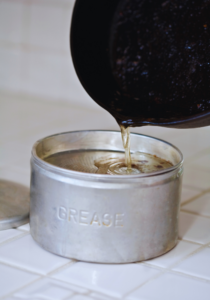
Good grease disposal is simple. It just requires not treating your sink like a trash can.
Let hot grease cool and solidify. Then scrape it into a container and throw it in the trash. Wipe greasy pans with a paper towel before washing them. Use a sink strainer to catch food particles.
Most important, avoid pouring cooking oil, fats, or grease down the drain or garbage disposal.
Your garbage disposal can grind food scraps. It cannot make grease disappear. Grease still coats the pipe after it passes through the disposal.
How Professional Drain Cleaning Removes Grease Buildup
Store-bought drain cleaners often fail against grease buildup. They may punch a small hole through the clog, but they usually do not clean the full pipe wall.
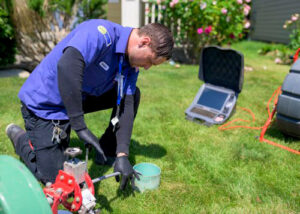
Professional drain cleaning targets the buildup inside the line. A plumber can inspect the drain, identify the blockage, and use the right method to clear the pipe.
For tough grease buildup, hydro jetting may be the best option. Hydro jetting uses high-pressure water to scour the inside of the pipe and remove grease, sludge, and debris.
Preventive drain cleaning can also help homeowners avoid repeat clogs, sewer line backups, and surprise plumbing issues.
FAQ
Is it okay to pour grease down the drain with hot water?
No. Hot water may move grease temporarily, but it often hardens farther down the pipe. That can create a clog deeper in the plumbing system.
Can grease damage PVC pipes?
Grease usually causes clogs rather than directly damaging PVC pipes. However, grease buildup can still cause backups, pressure problems, leaks, and other plumbing issues.
How long does it take for grease to clog pipes?
It depends on how much grease enters the drain and how often it happens. Small amounts can build up slowly over weeks, months, or years. Regular grease disposal mistakes can speed up the problem.
Does a garbage disposal prevent grease clogs?
No. A garbage disposal does not prevent grease clogs. It may grind food particles, but it does not remove grease from the pipe. Grease can still stick to the drain line after passing through the disposal.
What removes grease from pipes?
Professional drain cleaning is usually the most effective way to remove grease from pipes. For severe buildup, hydro jetting can clear grease, sludge, and debris from the inside of the drain line.
Stop Grease Before It Stops Your Plumbing
 Grease clogs do not fix themselves. They grow quietly until your sink drains slowly, smells bad, or backs up at the worst possible time.
Apollo Plumbing helps homeowners in Everett, WA, and surrounding communities clear stubborn drain clogs before they turn into bigger sewer line problems.
If grease buildup has slowed your drains or caused repeat clogs, schedule professional drain cleaning with Apollo Plumbing. Our Ready Right Now plumbers can help clear the line, protect your plumbing system, and keep your drains moving.