 A clogged main sewer line is one of the most serious plumbing problems a homeowner can face. Unlike a single drain clog, a sewer line blockage affects your entire plumbing system.
The tricky part? It usually doesn’t start with a dramatic sewage backup.
It starts small. A slow drain here. A weird noise there. Easy to ignore, until it’s not.
Spotting early warning signs of a clogged sewer line can prevent major water damage, costly repairs, and sewage backups.
In this guide, we’ll walk through the most common signs, what they actually mean, and what you should do next.
Quick Takeaways
- A clogged main sewer line affects multiple drains throughout your home.
- Early signs include slow drains, gurgling noises, and foul odors.
- Sewage backups are a serious warning sign that requires immediate action.
- Tree roots, grease buildup, and debris are common causes.
- Professional drain cleaning is often required to fully clear the blockage.
What Is a Main Sewer Line and Why It Matters
Your main sewer line is the central pipe that connects all the drains in your home. Every sink, shower, toilet, and washing machine drains into it.
From there, wastewater flows out to the municipal sewer system.
When everything is working, you don’t think about it. Water flows. Drains clear. Life moves on.
But when that line gets blocked, it doesn’t just affect one fixture—it affects everything.
That’s why a sewer line blockage is a much bigger deal than a simple clogged sink. It can impact all the drains in your home at once, including toilets, laundry rooms, and floor drains.
7 Signs of a Clogged Main Sewer Line
1. Multiple Drains Are Backing Up at Once
If more than one drain is backing up, that’s your first big red flag.
A single clogged sink is usually a localized issue. But when multiple drains are affected—like your kitchen sink, bathroom sink, and laundry drain—it points to a problem deeper in the sewer line.
2. Water Backs Up in Unexpected Places
This is where things get weird.
You flush your toilet, and suddenly water shows up in your shower. Or your washing machine drains and water rises in a nearby sink.
That’s not normal behavior. It’s a sign that water flowing through your system is being redirected because it can’t pass through a blockage.
3. Slow Drains Throughout the House
One slow drain? Not a big deal.
But if drains in your home are all slowing down at the same time, that’s a different story.
This usually means there’s a restriction in the main line, limiting how fast water can move through the system.
4. Gurgling Sounds from Drains or Toilets
Hearing strange bubbling or gurgling noises when you flush your toilet or run water?
That’s trapped air in the pipes trying to escape.
When a sewer line is clogged, pressure builds up. That pressure forces air back through your drains, creating those unmistakable gurgling noises.
5. Foul Sewer Odors Coming from Drains
If your home smells like a sewer, something is wrong.
A clogged sewer line can cause gases to escape through drains. This often shows up as a persistent, unpleasant odor in sinks, showers, or laundry rooms.
It’s more than just annoying. It’s a sign your sewer system isn’t functioning properly.
6. Sewage Backing Up into Fixtures
This is the worst-case scenario.
If you’re seeing wastewater coming back up into your sinks, tubs, or floor drains, you’re dealing with a serious sewer line blockage.
At this point, the system is overwhelmed, and water has nowhere else to go.
This requires immediate action.
7. Toilets Acting Unusually (Bubbling or Fluctuating Water Levels)
When toilets start acting strange, pay attention.
You might notice:
- bubbling water after flushing
- water levels rising or falling on their own
- toilets flushing inconsistently
These changes happen because pressure inside the sewer line is unstable due to a blockage.
Why These Signs Happen
All of these symptoms come back to one thing: restricted flow inside your sewer line.
Common causes include:
- Tree roots growing into sewer lines and blocking water flow
- Grease and debris buildup sticking to pipe walls over time
- Foreign objects that shouldn’t have been flushed
- Pipe damage or collapse that restricts movement
When these issues develop, they prevent water from moving freely. That’s when you start seeing problems across multiple drains.
How Serious Is a Clogged Main Sewer Line?
Not all clogs are equal. But with sewer lines, things escalate quickly.
Here’s how it usually progresses: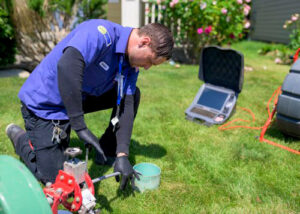
- Early stage: slow drains and minor gurgling
- Moderate stage: backups, odors, and pressure issues
- Severe stage: full sewage backup into your home
The risks increase with each stage:
- water damage to floors and walls
- exposure to harmful bacteria
- potential structural issues if left untreated
This is one problem you don’t want to wait on.
What to Do If You Notice These Signs
Step 1: Stop Using Water Fixtures
First things first—stop running water.
Every time you use a sink, flush your toilet, or run your washing machine, you’re adding more pressure to an already blocked system.
Step 2: Check Affected Drains
Take a quick look around your home.
Are multiple drains affected? Is water backing up in unusual places? This helps confirm whether the issue is in the main sewer line.
Step 3: Avoid Chemical Cleaners
It might be tempting to grab a bottle of drain cleaner, but don’t.
Chemical solutions rarely fix a sewer line blockage. Worse, they can damage your pipes and make the problem harder to fix later.
Step 4: Call a Professional Plumber
At this point, it’s time to bring in a professional.
Main sewer line issues require specialized tools and experience. A plumber can diagnose the problem and clear it safely.
How Plumbers Fix a Clogged Main Sewer Line
Professional plumbers don’t guess—they diagnose.
Here’s how they handle it:
- Camera inspection: a small camera is inserted into the pipe to locate the exact blockage
- Drain snaking: used to break through clogs and restore flow
- Hydro jetting: high-pressure water clears buildup from pipe walls
- Sewer rooter services: cut through tree roots and heavy obstructions
These methods don’t just fix the symptom, they remove the cause of the sewer line blockage.
How to Prevent Main Sewer Line Clogs
You can’t eliminate all risk, but you can reduce it.
Simple habits go a long way:
- avoid pouring grease down drains
- dispose of waste properly (nothing questionable down the toilet)
- schedule routine drain cleaning
- pay attention to slow drains early
- consider inspections if you live in older homes
Prevention is always easier than cleanup.
Signs of Clogged Main Sewer Line FAQ
What is the first sign of a clogged sewer line?
Usually, it starts with slow drains or gurgling noises. These early warning signs show that water isn’t flowing properly.
Can a main sewer line clog fix itself?
No. Sewer line clogs don’t go away on their own. They usually get worse over time as debris continues to build up.
Is a sewer line clog an emergency?
It can be. If you’re experiencing a sewage backup or multiple drains are affected, it should be treated as urgent.
How do plumbers diagnose sewer line problems?
Plumbers use camera inspections to see inside the pipe in real time. This allows them to locate the blockage and determine the best solution.
What causes main sewer line blockages most often?
The most common causes are tree roots, grease buildup, and debris. These restrict flow and lead to system-wide issues.
Need Drain Cleaning in Everett? Apollo Plumbing Can Help
 If you see signs of a clogged main sewer line, the problem may already be deeper in your plumbing system.
Apollo Plumbing provides expert drain cleaning services in Everett, WA and surrounding communities. Our experienced plumbers use advanced tools like hydro jetting and camera inspections to locate and remove sewer line blockages safely.
If multiple drains are backing up, your toilets start acting strange, or you’re dealing with sewer odors, our team is ready right now to restore proper flow and protect your home.
Contact Apollo Plumbing today to schedule professional drain cleaning and prevent serious sewer line damage.