When you notice water stains on your ceiling or see a drip form out of nowhere, your stomach drops. You try to guess what went wrong. You hope it’s simple, but the truth feels hidden behind paint and drywall.
A ceiling leak looks the same no matter what causes it, and that makes things confusing fast. You want to find the source of the leak without making the problem worse.
Before you grab a flashlight or poke the drywall, you can start with a few simple points that bring some order to the situation.
Quick Takeaways
- Water dripping from a ceiling usually comes from plumbing leaks, roof damage, or bathroom fixture failures.
- Shut off water, protect valuables, and locate the source before water damage spreads.
- Common culprits include leaking pipes, failed shower seals, roof issues, clogged drains, and condensation.
- Ceiling leaks need quick diagnosis to limit mold, structural rot, and electrical hazards.
- Call a licensed plumber if the source of the leak isn’t clear or if water continues after shutting off fixtures.
What To Do Immediately If You See Water Inside Your Home
A ceiling leak feels like a surprise attack, but you can slow the damage with a few fast steps.
- Turn off the water supply.
- Protect belongings and catch the drip.
- Check whether the leak only shows during rain.
- Watch for signs linked to active plumbing use.
- Turn off electricity near wet fixtures.
- Document the damage.
Understanding Plumbing Leaks vs Roof Leaks
 Both leaks send water into places you can’t see. Both leave stains on ceilings and walls. The small details help you separate one from the other.
What Plumbing Leaks Usually Look Like
Plumbing leaks drip in steady patterns. They show up when pressure builds in the plumbing system. You may see clear water that feels warm or cold depending on the line.
What Roof Leaks Usually Look Like
Roof leaks depend on weather. You see water leaking during storms, or you notice water stains after heavy rain. The water looks dirty from soil, shingles, and attic dust.
Common Causes of Plumbing Leaks
Plumbing leaks come from inside the home. They follow the pipes that bring water to fixtures. A small issue can turn into a big problem if water leaks into the ceiling.
- Pipe corrosion or damage.
- Loose supply line connections.
- Fixture or valve failures.
- Shower pan or drain leaks.
- Toilet wax ring issues.
- High water pressure.
Common Causes of Roof Leaks
Roof leaks start outside the home and travel down into the attic before showing up in the ceiling.
- Missing or damaged shingles.
- Cracked or worn flashing.
- Clogged gutters.
- Chimney, vent, or skylight penetrations.
- Storm and wind-driven rain.
Key Differences: How to Identify the Leak Source
 A few details help you figure out whether the leak comes from plumbing systems or from roof damage. You don’t need tools. You just need to watch patterns.
Timing
If the leak only shows during storms, look at the roof. If it drips at any time, it likely comes from plumbing leaks.
Location
Leaks near bathrooms or kitchens point to plumbing issues. Leaks near exterior walls or under the attic point to roof leaks.
Water Appearance
Clear water suggests plumbing. Dirty or yellow water suggests roofing materials or attic dust.
Stain Pattern and Spread
Plumbing leaks leave ring-shaped water stains. Roof leaks create wide, irregular patches.
Drip Frequency
Steady drips often come from pipes. Intermittent drips match rainfall.
Risks of Misdiagnosing the Leak
A ceiling leak can look small. It rarely stays that way. Mistakes early on lead to more work and higher repair costs.
- Mold growth.
- Electrical hazards.
- Ceiling collapse risk.
- Structural wood damage.
- Insurance claim issues.
- Paying for the wrong repair.
Simple Checks You Can Try Before Calling a Professional
These checks help you narrow the issue without cutting into drywall or climbing onto the roof.
- Run bathroom fixtures and observe ceiling behavior.
- Monitor during rainfall.
- Check the attic for wet insulation.
- Inspect gutters from ground level.
- Touch plumbing lines for moisture.
How Professionals Identify the True Leak Source
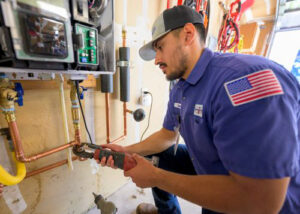 A professional uses tools and steps that remove guesswork. You get clear answers that show exactly where the water starts and how to prevent water from spreading.
- Moisture meter scouting.
- Thermal imaging.
- Pipe pressure testing.
- Roof inspections before and after storms.
- Controlled water isolation testing.
When to Call a Plumber, Roofer, or Both
A plumber steps in when the leak matches plumbing issues. A roofer steps in when damaged shingles or flashing cause water to enter the attic.
Some ceiling leaks involve both systems at once. Early detection lowers water damage, protects drywall, and keeps mildew growth from spreading into the home.
Preventing Future Leaks
You can prevent water problems when you check a few simple things during the year.
- Schedule annual plumbing inspections.
- Have roof checks after major storms.
- Keep gutters clean.
- Inspect bathroom grout and caulking.
- Replace aging pipes or roofing materials.
FAQ: Plumbing Leak vs Roof Leak
How do I tell if my ceiling leak is from plumbing or a roof?
Check if the leak appears during rain. Rain-only leaks point to roofing issues. Constant leaks point to plumbing.
Why does my ceiling only leak during rain?
Storm water enters through damaged shingles, cracked flashing, or clogged gutters.
What does clear vs dirty water indicate?
Clear water suggests a plumbing leak. Dirty water suggests roof leaks or attic dust.
Why does my ceiling leak when the shower is running?
Shower pan cracks, loose drain fittings, or failed grout lines cause water leaking into the ceiling below.
Can a ceiling collapse from a leak?
Yes. Water weakens drywall and can reach electrical wire, creating a safety risk.
Will homeowners insurance cover a plumbing or roof leak?
Insurance may cover sudden damage. Long-term leaks may not be covered.
Can both plumbing and roof leaks happen at the same time?
Yes. Multi-story homes see overlap when water finds more than one path.
When should I call a plumber instead of a roofer?
Call a plumber when the leak sits near plumbing fixtures or happens during normal water use.
Call Apollo Plumbing for Fast, Accurate Leak Detection in Everett, WA
 You want clear answers when you deal with ceiling leaks. Our team gives you that. We provide same-day leak detection. Our technicians are clean, screened, trained, and timely. They check every part of your home to find the leak’s source.
If the ceiling leak comes from plumbing systems, we handle the repair. We serve Everett, Mukilteo, Mill Creek, and nearby areas.
Call Apollo Plumbing today before the damage spreads.