
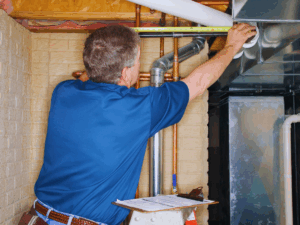
 If your home’s plumbing system is old, damaged, or not working well, it may be time to replace it. Whole-home repiping means replacing all the water supply lines. This is usually done because the old ones are damaged, corroded, or outdated.
A minor pipe repair fixes one problem. Repiping your home addresses the entire network. Most older homes still rely on galvanized steel pipes, polybutylene, or even lead. These materials are prone to pinhole leaks, rusting and corrosion, and can restrict water flow over time.
In this guide, we’ll break down how long different types of piping last, the warning signs to watch for, what repiping involves, and how to know when it’s finally time to pull the trigger.
How Long Do Pipes Last? (Lifespan by Material)
Not all pipes age gracefully. Some go quietly. Others turn your bathroom into a crime scene.
Here’s a quick breakdown of how long the most common piping materials tend to last:
- Galvanized steel: 20–50 years
- Copper pipes: 50+ years
- PVC: 50–70 years
- PEX: 40–50 years
- Polybutylene: Unreliable, discontinued in the ’90s
Just because your pipes are old doesn’t mean you need to replace them. But if you’re seeing any of the signs below, age starts to matter a lot more.
11 Signs You Might Need a Whole-Home Repipe
This isn’t a “wait and see” list. If you have more than one of these problems, talk to a plumber. It’s best to do this before mushrooms start growing under your kitchen sink.
1. Rust-Colored or Discolored Water
If your water looks like weak tea or rusty soup, that’s a problem. Corroded pipes, especially galvanized steel, are likely to blame.
2. Repeated Pipe Leaks
One leak happens. Two is annoying. But if your plumber knows your dog’s name and favorite snack, you’ve got a pattern. Hidden water damage isn’t far behind.
3. Low Water Pressure in Multiple Fixtures
If the water dribbles instead of flows, sediment buildup or pipe corrosion may be blocking the line. This isn’t just annoying—it’s a sign your system is wearing out.
4. Noisy Pipes (Banging, Clanging, Whistling)
Those sounds aren’t ghosts. That’s what happens when old pipes shake or have “water hammer.” This is a pressure surge that occurs when water flow suddenly stops or changes direction.
5. Foul-Smelling or Bad-Tasting Water
A metallic taste or sulfur smell (like rotten eggs) can signal bacterial growth or rust inside aging pipes.
6. Visible Corrosion or Rust on Exposed Pipes
Look under the sink or in your basement. If you see greenish stains, rust flakes, or swollen pipe joints, that’s physical evidence your pipes are breaking down.
7. Extreme Temperature Fluctuations in Showers
If someone flushes a toilet and your shower suddenly switches from lava to glacier, blame outdated plumbing. Modern systems shouldn’t do this.
8. High Water Bills Without Explanation
Water’s not free, but if your usage hasn’t changed and your bill keeps climbing, you might have a hidden leak behind a wall or under a slab.
9. Wet Spots, Stains, or Warped Walls and Floors
Random stains on ceilings, soggy drywall, and warped floorboards often mean water is leaking in the background. The longer you wait, the worse it gets.
10. Pipes Made from Outdated Materials
Still running galvanized steel, lead, or polybutylene? Doesn’t matter if they “still work.” These materials are outdated for a reason.
11. Home is Over 40 Years Old
Older homes usually have aging pipes. Insurance companies know this, which is why many will ask about repiping when issuing or renewing coverage.
Why You Shouldn’t Wait to Repipe
 Delaying a full repipe doesn’t save money—it multiplies the damage. Leaks destroy drywall, flooring, and furniture. They create mold problems and foundation headaches.
Corroded pipes can contaminate your drinking water and burn out your water heater. You’re gambling with your home’s health.
What Does a Whole-Home Repipe Involve?
Here’s how it usually goes:
- A plumber inspects your home’s plumbing system
- They choose new piping (typically PEX or copper)
- Access holes are cut in the walls to reach old pipes
- New pipes are installed and pressure-tested
- Water is restored and walls are patched up
Timeline: 3–7 days depending on house size. You may lose water access for a few hours a day during the work.
Repiping Costs: What to Expect
A full repipe costs between $1,500 and $15,000, according to Angi.com. The final number depends on:
- Size of your home
- Type of piping
- Number of bathrooms
- How easy it is to access the plumbing
Financing is often available. Some plumbers offer phased options to spread out the work.
Benefits of Repiping Your Home
Here’s what you get in return:
- Stronger, more consistent water pressure
- Cleaner water with no odd taste or smell
- Fewer plumbing calls and emergency repairs
- Higher resale value if you sell the home
- One less thing to worry about every time you hear a drip
Prevention: How to Extend the Life of Your Pipes
You can’t make pipes last forever, but you can help them stick around longer:
- Install a water softener if you have hard water
- Get your plumbing inspected yearly
- Fix small leaks fast
- Don’t pour grease, chemicals, or paint down the drain
FAQs About Repiping a House
Can I stay in my home during the repipe?
Yes. Most plumbers schedule work by zone so you’re never without water for more than a few hours at a time.
Does homeowners insurance cover repiping?
Usually not. Insurance might cover damage from a burst pipe, but not the cost of replacing old ones. Always check your policy.
What’s the best pipe material for my home?
Most homes today use PEX for its flexibility and cost-efficiency. Copper is more expensive but highly durable. Both are solid options.
Is it worth it to partially repipe instead of replacing everything?
Maybe—but it’s often a temporary fix. If one area is failing, the rest may not be far behind.
Time to Repipe? Don’t Wait Until It’s Too Late
 If you’ve got discolored water, noisy pipes, or unexplained leaks, your home is waving a big red flag. Don’t ignore it. Repiping prevents more damage, improves your water quality, and helps your plumbing system function as it should.
If you’ve seen one or more of these warning signs in your home, give Apollo Plumbing a call. We’ll inspect your plumbing and give you honest, upfront advice about whether a full repipe is necessary. Serving Everett, WA and nearby areas with “Ready right now plumbers.”