
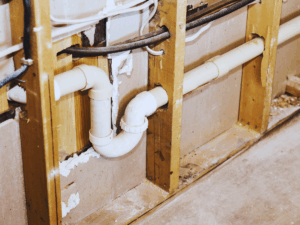
 Many homeowners believe repiping only happens after a major failure. A burst pipe. Severe water damage. A problem that forces action. That assumption misses how plumbing systems actually fail.
In practice, repiping often becomes necessary because of patterns, not emergencies. Certain types of homes face higher risk due to pipe age, piping materials, and construction layout. These factors shape how plumbing issues develop and how long they stay hidden.
Plumbers do not recommend repiping based on guesswork. They rely on inspection history and repeat failure data.
This article explains the types of homes that often need repiping. It also discusses why these homes are at higher risk. Finally, it shows how to know when repiping your home is a good idea.
Quick Takeaways
- Older homes often need repiping due to aging pipes and outdated materials.
- Homes with galvanized steel or polybutylene pipes face higher failure risk.
- Slab foundation homes experience more damage when leaks occur.
- Repeated plumbing repairs usually indicate system-wide pipe failure.
- Low water pressure throughout a home often points to internal pipe corrosion.
- A professional inspection confirms when repiping is the right solution.
Why Certain Homes Are More Likely to Need Repiping
Repiping is the process of replacing hot and cold water lines throughout a home. The need for it depends on the length of time the plumbing system has been in service, the types of pipes installed, and the way the home was built.
Maintenance slows visible damage, but it does not stop internal pipe breakdown. Corrosion continues. Mineral buildup narrows water flow. Weak joints respond poorly to pressure changes.
Because many water lines stay hidden, plumbing issues often develop long before symptoms appear. By the time leaks surface, the system often shows broader failure than the homeowner expects.
Older Homes With Original Plumbing
Homes built fifty years ago or more often still rely on original water lines. Those pipes have already met or exceeded their expected lifespan.
Over time, internal corrosion reduces water pressure and restricts flow. Rust and debris affect water quality. Small leaks become more frequent as pipe walls thin. Even when repairs appear successful, the surrounding system continues to age.
In these homes, making repeated repairs often costs more in the long run than repiping the house once and fixing the system.
Homes With Galvanized Steel Pipes
Galvanized steel pipes fail slowly and predictably. The damage starts inside the pipe, where homeowners cannot see it.
As corrosion builds, water flow narrows. Pressure drops across the home. Discoloration often appears before leaks form. When repairs begin, failure rarely stops because the remaining galvanized steel continues to degrade.
In these cases, partial repairs struggle to hold. Full repiping replaces unstable piping materials and restores consistent water flow.
Homes Built With Polybutylene Pipes
Polybutylene pipes fail without warning. Unlike other types of pipes, they can rupture suddenly even when no visible damage exists.
Chemical reactions with treated water weaken the pipe walls. Leaks often appear overnight. Insurance providers frequently flag homes with polybutylene plumbing, which complicates coverage and resale.
Because failure is unpredictable, repiping your home becomes a preventive step rather than a reaction to damage.
Homes With Slab Foundations
Homes built on slab foundations face higher repiping risk because water lines often run beneath concrete.
When leaks occur, water spreads before reaching the surface. Water damage can affect flooring, walls, and structural components. Locating the exact failure point becomes difficult, which increases repair cost and disruption.
Repiping reroutes water lines through accessible paths, reducing future slab damage and simplifying long-term maintenance.
Homes With Repeated Plumbing Repairs
Plumbing systems tell a story through repetition. One leak may be random. Several leaks over time rarely are.
Repeated repairs across different areas suggest widespread wear. Each fix addresses a symptom, not the cause. Over time, repair costs add up through labor, wall damage, and interruptions to daily life.
When leaks keep moving, repiping a house often provides a more stable outcome than chasing the next failure.
Homes Undergoing Major Renovations
Renovations expose plumbing systems that normally stay hidden. Open walls create an opportunity to replace aging water lines with less disruption.
Repiping during a remodel reduces labor overlap and avoids future demolition. It also allows homeowners to upgrade piping materials while access already exists.
For homeowners planning long term occupancy, this approach improves system reliability and avoids repeat repairs later.
Homes With Low Water Pressure Throughout
Low water pressure across multiple fixtures usually points to internal pipe restrictions rather than fixture problems.
Corrosion and mineral buildup reduce internal pipe diameter, which limits water flow. Replacing faucets or valves does not solve the issue when supply lines restrict pressure.
When pressure loss appears throughout the home, repiping the water lines often restores consistent performance.
Homes Planning for Sale or Long-Term Ownership
Plumbing systems receive close scrutiny during home inspections. Older piping materials raise concerns about water damage and future repairs. Buyers respond by negotiating or walking away.
Repiping before listing improves inspection outcomes and buyer confidence. For long-term owners, proactive repiping reduces risk and stabilizes the water supply over time.
Preventive replacement often costs less than emergency repairs spread across years.
How Plumbers Identify Homes That Need Repiping
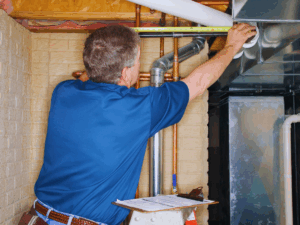 Professional decisions rely on patterns, not assumptions. Plumbers evaluate several factors together to understand system health:
- Pipe material identification and visible corrosion
- Leak history across different areas
- Pressure testing to assess system stress
- Home age, layout, and access limitations
Long-term performance matters more than today’s repair bill. Solutions that reduce the likelihood of repeat failure often cost less over time.
FAQs About Types of Homes Commonly Repiped
At what age do homes usually need repiping?
The answer depends on piping materials. Galvanized steel and lead pipes often require replacement after several decades. Copper and modern materials last longer but still fail eventually.
Can newer homes still need repiping?
Yes. Defective materials, poor installation, or aggressive water chemistry can cause early failure.
Do slab homes always require full repiping?
Not always. However, slab homes face higher risk from hidden leaks, which often makes rerouting the safer option.
Is repiping always a full replacement?
No. Partial repiping works for isolated issues. System-wide wear usually requires full replacement.
Does repiping increase home value?
Yes. Updated plumbing improves inspection results and buyer confidence.
How to Know If Your Home Fits One of These Categories
Some warning signs appear repeatedly in repiping projects:
- Aging or unknown pipe materials
- Repeated leaks in different locations
- Low water pressure across the home
- Declining water quality or discoloration
An inspection replaces assumptions with evidence and clarifies next steps.
Schedule a House Repipe Inspection With Apollo Plumbing
 Apollo Plumbing provides house repiping services in Everett, WA and surrounding areas. We inspect plumbing systems and explain findings clearly, without pressure or scare tactics.
If plumbing issues keep returning or piping materials raise concern, an inspection brings clarity. Apollo Plumbing is Ready right now to help you decide with confidence.