
Polybutylene pipes were once marketed as the future of residential plumbing. Today, they are one of the most commonly identified outdated plumbing materials in older homes.
Polybutylene plumbing was widely installed between 1978 and 1995 because it was inexpensive, flexible, and easier to install than copper. Unfortunately, years of real-world performance revealed a serious flaw. Many polybutylene pipes deteriorate from the inside out, leading to leaks, pipe failures, and expensive water damage.
Many homeowners discover they have polybutylene plumbing during a home inspection, an insurance review, or after a plumbing leak has already occurred.
Quick Takeaways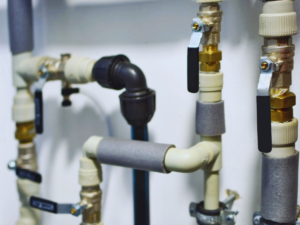
- Polybutylene pipes were commonly installed between 1978 and 1995.
- Chlorine in water can cause the pipe material to deteriorate from the inside out.
- Polybutylene pipes may fail without obvious warning signs.
- Leaks can lead to costly water damage and repairs.
- Some insurance companies and home buyers view polybutylene plumbing as a risk.
- House repiping is often the most reliable long-term solution.
What Are Polybutylene Pipes?
Polybutylene pipes are flexible plastic water supply pipes that were commonly installed in residential plumbing systems between the late 1970s and mid-1990s.
Manufacturers promoted polybutylene as a lower-cost alternative to copper piping. Builders embraced it because it was lightweight, flexible, and quick to install.
The material was used for hot and cold water supply lines throughout homes across North America. You may also hear it referred to as PB piping or see markings such as “PB2110” printed on exposed sections.
While polybutylene seemed like a promising solution at the time, decades of performance revealed significant reliability concerns.
Why Are Polybutylene Pipes a Problem?
Polybutylene pipes are considered problematic because common disinfectants found in municipal water systems can gradually damage the pipe material.
Chlorine and other oxidants attack the interior surface of the pipe. Over time, the material becomes brittle and develops microscopic cracks. This deterioration often occurs inside the pipe wall, making it difficult to detect.
Eventually, the pipe can weaken enough to leak or rupture.
One reason polybutylene plumbing became so controversial is that failures often occur without obvious warning signs. A pipe may appear perfectly normal from the outside while significant deterioration is occurring internally.
These widespread failures led to multiple class action lawsuits involving manufacturers and helped cement polybutylene’s reputation as a high-risk plumbing material.
Polybutylene Isn’t the Only Aging Plumbing Material
Polybutylene is not the only plumbing material that has developed a reputation for premature failure.
Homeowners may also encounter other aging plumbing systems, including Kitec plumbing, galvanized steel pipes, and older cast iron drain lines. Each material has its own weaknesses. Some suffer from corrosion, while others experience fitting failures or internal deterioration.
The common thread is that aging plumbing materials increase the likelihood of leaks, reduced water pressure, and expensive repairs.
Understanding what type of plumbing system exists in your home can help you make informed decisions about maintenance, repairs, and future repiping projects.
How to Identify Polybutylene Pipes
If your home was built between 1978 and 1995, it may be worth checking for polybutylene plumbing.
Common Pipe Colors
Polybutylene pipes are commonly found in:
- Gray
- Blue
- Black
Gray is the most common color found inside residential structures.
Markings to Look For
Look for markings such as:
- PB2110
- PB
- Manufacturer labels
These markings may appear on exposed sections of pipe near mechanical equipment or utility areas.
Common Locations
You may find exposed PB piping:
- Near water heaters
- In crawl spaces
- In basements
- In utility rooms
- Under sinks
A licensed plumber can help identify the material if you are unsure.
Signs Your Polybutylene Pipes May Be Failing
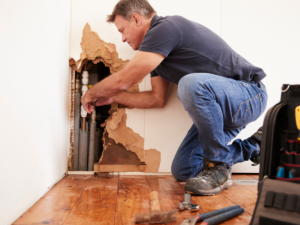 Many homeowners do not realize there is a problem until visible damage appears.
Common warning signs include:
- Recurring leaks
- Reduced water pressure
- Water stains on walls or ceilings
- Damp drywall
- Discolored water
- Visible pipe discoloration
- Unexpected increases in water bills
Even if none of these symptoms are present, hidden deterioration may still be occurring.
Why Polybutylene Pipes Often Fail Without Warning
One of the most frustrating aspects of polybutylene plumbing is that it often fails silently.
The chemical reaction that damages the pipe typically occurs within the material itself. The exterior may look perfectly fine while the interior gradually weakens.
This means homeowners often receive little advance notice before a leak develops.
In some cases, the first sign of trouble is a wet wall, damaged flooring, or a ceiling stain caused by a hidden leak.
Because failures can happen unexpectedly, many plumbers recommend inspections when polybutylene plumbing is present.
Can Polybutylene Pipes Affect Insurance and Home Value?
Yes.
Many insurance companies recognize the history of polybutylene pipe failures. Some insurers may request information about the plumbing system before issuing or renewing coverage.
Polybutylene plumbing may also become a discussion point during a home inspection. Home inspectors frequently identify and document PB piping when it is present.
Potential buyers may view polybutylene plumbing as a future liability. Some buyers negotiate for replacement or request concessions during real estate transactions.
Replacing aging pipes can help reduce concerns and improve buyer confidence.
Should You Replace Polybutylene Pipes Before They Leak?
Many plumbing professionals recommend proactive replacement.
The challenge with polybutylene pipes is that waiting for a failure can be expensive. By the time a leak becomes visible, water damage may already be affecting drywall, flooring, insulation, or personal belongings.
While individual repairs can address isolated leaks, they do not stop deterioration throughout the rest of the system.
House repiping addresses the entire plumbing network rather than one problem area at a time. For many homeowners, this approach provides greater long-term reliability and peace of mind.
What Replaces Polybutylene Pipes?
Modern repiping projects typically use either PEX piping or copper piping.
PEX offers flexibility, durability, and efficient installation. Copper continues to provide a proven track record of long-term performance.
Both materials are considered significant upgrades over aging polybutylene plumbing systems.
A professional repiping project removes outdated pipes and replaces them with modern materials designed to provide reliable water delivery for decades.
FAQ
Are polybutylene pipes dangerous?
The primary concern is water damage caused by leaks and pipe failures. Polybutylene pipes do not typically create health hazards, but unexpected failures can cause significant property damage.
How long do polybutylene pipes last?
There is no guaranteed lifespan. Some systems function for decades, while others fail much sooner depending on water quality, pressure conditions, and installation factors.
How can I tell if my home has polybutylene pipes?
Check exposed plumbing near water heaters, crawl spaces, basements, utility rooms, and under sinks. Gray, blue, or black pipes marked PB2110 are common indicators.
Can polybutylene pipes be repaired instead of replaced?
Individual leaks can often be repaired. However, repairs do not prevent future failures elsewhere in the system. Many homeowners choose repiping as a long-term solution.
Does homeowners insurance cover polybutylene pipe leaks?
Coverage varies by insurance company and policy. Some insurers may provide coverage, while others may have limitations or specific requirements regarding polybutylene plumbing.
Replace Aging Pipes Before They Fail
 If your home still contains polybutylene plumbing, waiting for the next leak can be a costly gamble.
Apollo Plumbing helps homeowners throughout Everett, WA, and surrounding communities identify aging plumbing systems and determine when house repiping makes sense. Whether you recently discovered PB piping during a home inspection or are dealing with recurring leaks, our team can help you evaluate your options.
A proactive repiping project can help prevent water damage, reduce future repair costs, and improve the reliability of your home’s plumbing system.
Apollo Plumbing is Ready Right Now to help you take the next step.