
The best place to install a water softener is on the main water line, after the main shut-off valve and before the water heater. The unit should sit in a dry, level space with easy access to a drain and electrical outlet.
Placement matters more than most homeowners realize. If the softener unit is installed in the wrong spot, you may lose water pressure, fail to deliver soft water throughout your home, or create maintenance issues. A poor location can also expose the system to freezing or flooding.
In this guide, you will learn the correct plumbing order, the best locations inside and outside the home, what installation requirements cannot be ignored, and when professional installation makes more sense than DIY installation.
 Quick Takeaways
- Install a water softener on the main water line where water enters your home.
- Place it after the shut-off valve and before the water heater.
- Choose a location near a drain and electrical outlet.
- Keep the system in a dry, level, temperature-controlled area.
- Avoid freezing conditions and flood-prone areas.
- Professional installation ensures proper flow direction and long-term performance.
The Correct Order in Your Plumbing System
Your water softener systems must be installed in the correct sequence to treat all incoming water.
The proper order is:
- Main shut-off valve
- Pressure regulator (if present)
- Water softener
- Water heater
The softener must treat water before it reaches your fixtures and appliances. This ensures soft water throughout your home, including sinks, showers, and your water heater.
If installed after the water heater, only cold water gets treated. That defeats the purpose of a whole-home system and reduces improvements in water quality.
Most systems also include a bypass valve. This allows you to isolate the softener unit during maintenance without shutting off your entire water supply.
Best Places to Install a Water Softener
The best location depends on your home layout, climate, and where the main water line enters your home.
Basement or Utility Room
Basements and utility rooms are the most common installation locations.
These areas usually sit close to where water enters your home. They often have a floor drain nearby and enough clearance for both the resin tank and brine tank. They also protect the system from freezing temperatures.
Utility rooms also provide easy access for adding salt and performing maintenance.
Garage
Many slab homes install a water softener in the garage.
Garages often house the water heater and main water supply connection. This makes routing plumbing lines easier.
However, the area must stay above freezing. If your garage is not insulated, freezing temperatures can damage water softener systems. The unit should also be positioned where vehicles will not strike it.
Laundry Room
Laundry rooms sometimes provide a practical location.
They typically contain a drain and electrical outlet. They may also sit close to the water line. However, space can be tight. Make sure you have enough clearance to refill the brine tank and service the system.
Outdoor Installations (Warm Climates Only)
Outdoor installations are possible in warm regions where freezing temperatures are rare.
The softener unit must sit inside a protective enclosure. It should rest on a stable, level base. Direct sunlight, heavy rain, and debris can damage exposed components.
Outdoor installations also require careful drainage planning and protection from pests.
Installation Requirements You Cannot Ignore
 No matter where you install a water softener, several requirements apply.
The system must sit on a level surface. An uneven base can stress fittings and affect internal operation.
The softener installation requires a nearby drain. During regeneration, the system flushes minerals into the drain line. This discharge must meet plumbing code and include an air gap.
You need a standard electrical outlet. The control valve requires power to manage regeneration cycles.
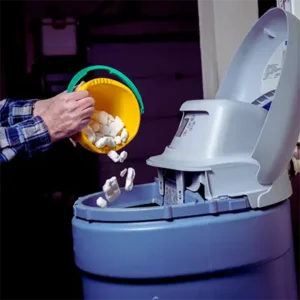
The system must allow enough clearance around the tanks. You need space to remove the lid, inspect components, and add salt to the brine tank.
Pipe sizing also matters. Undersized piping can restrict water pressure and reduce performance.
Where NOT to Install a Water Softener
Some locations create long-term problems.
Do not install a water softener in freezing environments. Frozen water can crack internal components and fittings.
Avoid flood-prone areas. Standing water can damage electrical components and create corrosion.
Do not install the system downstream from the water heater. It must treat water before it reaches the heater.
Avoid cramped spaces that block easy access. Maintenance becomes difficult, and small leaks can go unnoticed.
Unless intentionally designed, most homeowners also leave outdoor hose bibs untreated to avoid wasting softened water on irrigation.
Whole-Home vs Partial Softening
Most homeowners choose whole-home treatment. This means the system connects to the main water line so all interior fixtures receive treated water.
Whole-home systems protect plumbing, reduce scale inside the water heater, and improve overall water quality.
Partial softening is possible. Some homes install a water loop during construction that makes future softener installation easier. In other cases, outdoor irrigation lines remain untreated.
If your goal is enjoying the benefits of soft water at every tap, install the system where water enters your home.
DIY vs Professional Installation
DIY installation is possible for experienced homeowners. It requires cutting into the main water line, installing bypass valves, routing drain tubing, and securing electrical connections.
Mistakes can cause leaks, pressure loss, or code violations. Improper slope on the drain line can prevent proper regeneration discharge. Incorrect flow direction can damage the system.
Professional installation ensures:
- Correct placement on the main water supply
- Secure connections
- Proper drainage setup
- Protection against freezing
- Reliable water pressure
Water softener systems are long-term investments. Proper installation protects that investment.
Frequently Asked Questions
Where is the best place to install a water softener?
The best place is on the main water line, after the shut-off valve and before the water heater.
This ensures soft water throughout your home. Basements, utility rooms, and garages are common locations because they sit near where water enters your home.
The area should be dry, level, and close to a drain and electrical outlet.
Can I install a water softener outside?
Yes, but only in warm climates where freezing temperatures are rare.
Outdoor installations require a protective enclosure and proper drainage. The system must stay protected from weather and extreme temperature changes.
Freezing conditions can permanently damage the softener unit.
Should a water softener be installed before or after the water heater?
A water softener should always be installed before the water heater.
Treating water before it reaches the heater prevents scale buildup and extends the heater’s lifespan. It also ensures both hot and cold water receive treatment.
Does a water softener need a drain?
Yes. During regeneration, the system flushes minerals into a drain line.
The drain must meet plumbing code and include an air gap. Without proper drainage, the system cannot function correctly.
Can I install a water softener myself?
DIY installation is possible but complex.
You must cut into the main water supply, manage drain connections, and ensure correct system orientation. Mistakes can reduce water pressure or cause leaks.
Professional installation reduces risk and ensures long-term reliability.
Get Your Water Softener Installed the Right Way
 Choosing the correct location for your softener unit affects performance, durability, and water quality. Proper placement protects your plumbing, improves efficiency, and delivers soft water throughout your home.
At Apollo Plumbing, we evaluate where water enters your home, confirm the correct plumbing order, and complete softener installation according to code. We ensure the system has proper drainage, electrical access, and protection from freezing conditions.
If you want to install a water softener the right way and avoid costly mistakes, we are ready to help.
Call today and work with our Ready right now plumbers.