
 Pipes should not make loud or unusual noises every time water runs through the plumbing system. While minor sounds may be harmless, ongoing pipe noise often signals a plumbing issue. Do not ignore it.
Banging noises, humming or vibrating sounds, rattling, and whistling pipes usually point to pressure problems, trapped air, loose pipe connections, or worn plumbing components. In some cases, noisy water pipes can even indicate hidden leaks developing behind walls or under floors.
The good news is that most plumbing noises give homeowners warning signs before major damage happens. Understanding what causes these sounds can help you avoid water damage, protect your pipes, and prevent costly repairs later.
Quick Takeaways
- Pipes making noise usually indicate pressure, airflow, or pipe movement problems
- Banging pipes often point to water hammering inside the plumbing system
- Whistling or screeching sounds may signal high water pressure or worn valves
- A loose pipe can vibrate and create humming or rattling sounds behind walls
- Gurgling noises may indicate drain or vent blockages
- Persistent pipe noise can eventually damage your pipes and lead to hidden leaks
- Professional leak detection can identify plumbing problems before pipes fail
Why Pipes Make Noise When Water Is Turned On
Water moves through your plumbing system under pressure. When that pressure changes suddenly, pipes react. Some noises happen when water flow is restricted. Other noises happen when pipes move as water starts or stops.
Temperature changes also affect plumbing. Hot water pipes expand slightly when heated, while cold water lines can contract. Copper piping and other materials naturally shift as temperatures change.
Air trapped inside pipes, pressure spikes, worn valves, and unsecured plumbing lines can all create noisy water pipes. Different sounds usually point to different plumbing problems, which is why the type of noise matters.
Common Pipe Noises and What They Mean
Banging Pipes (Water Hammer)
A loud bang when turning water on or off usually points to water hammering.
Water hammer happens when water flow stops suddenly inside the pipes. The moving water creates a pressure shock that slams against the pipe walls and fittings. Fast-closing appliance valves, washing machines, dishwashers, and shutoff valves commonly trigger this problem.
Over time, repeated banging noises can loosen fittings, crack joints, and damage your pipes. In severe cases, water hammering may eventually contribute to hidden leaks behind walls or under floors.
Water hammer arrestors and proper pressure regulating equipment often solve the issue.
Whistling or Screeching Pipes
Whistling sounds usually indicate restricted water flow or excessive pressure inside the plumbing system.
High water pressure forces water through narrow openings at higher speeds, creating squealing or screeching noises. Mineral buildup inside valves, damaged washers, or partially closed shutoff valves may also create this sound.
Older fixtures and worn plumbing components often become noisier over time as buildup develops inside the system.
Humming or Vibrating Pipes
Humming or vibrating sounds often happen when pipes are loose or pressure levels become too high.
A loose pipe may vibrate against framing, brackets, or nearby materials as water moves through the line. Some homeowners notice this problem more when appliances run or when multiple fixtures use water at once.
Excessive vibration places stress on plumbing connections over time. Left untreated, constant movement can weaken joints and increase the risk of hidden plumbing leaks.
Rattling Pipes Behind Walls
Rattling noises usually mean pipes are not properly secured.
When water starts flowing, unsecured pipes move slightly inside walls or ceilings. Vertical pipe sections are especially prone to movement if supports loosen over time.
The rattling might seem small at first. But if it keeps happening, it can cause long-term wear. It can damage pipe fittings, mounting hardware, and nearby materials.
Gurgling Sounds From Pipes or Drains
Gurgling sounds often indicate trapped air or partial drain blockages.
When drains struggle to vent properly, air becomes trapped inside the plumbing system. Water moving through the pipes then creates bubbling or gurgling noises as air tries escaping.
In some homes, clogged vents or developing drain blockages may also contribute to these sounds.
Can Noisy Pipes Lead to Plumbing Leaks?
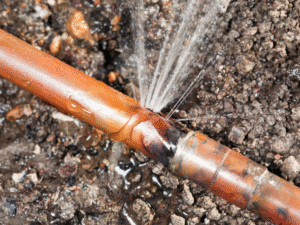 Yes. Persistent pipe noise can eventually lead to plumbing damage if the underlying problem is ignored.
Repeated pressure spikes stress fittings and joints throughout the plumbing system. Water hammering creates shockwaves that weaken pipe connections over time. Vibrating pipes slowly wear against surrounding materials while loose fittings become weaker with continued movement.
Small hidden leaks may eventually form behind walls, under floors, or near fixtures. Once moisture spreads into surrounding materials, water damage can escalate quickly.
That is why noisy water pipes should never be dismissed as “normal.”
Signs Pipe Noises Are Becoming Serious
Some plumbing noises are minor. Others indicate developing plumbing issues that require professional attention. Watch for these warning signs:
- Sudden drop in water pressure
- Water stains on walls or ceilings
- Bubbling drywall or peeling paint
- Musty odors or mold growth
- Visible pipe movement
- Increasingly loud banging noises
- Rising water bills
- Damp flooring near plumbing fixtures
These symptoms may indicate hidden leaks or worsening pipe damage inside the plumbing system.
How Plumbers Fix Noisy Pipes
The right repair depends on the source of the pipe noise.
Professional plumbers may install water hammer arrestors to absorb pressure shock and stop banging noises. Pressure regulating valves can reduce excessive water pressure throughout the home.
Other repairs may include:
- Securing loose pipe sections
- Replacing worn washers or valves
- Cleaning mineral buildup from fixtures
- Adding support brackets
- Repairing damaged pipe joints
- Restoring failed air chamber systems
- Performing leak detection inspections
In some cases, plumbers may inspect copper piping and concealed plumbing lines for hidden moisture damage caused by long-term pipe movement or pressure stress.
When to Call a Plumbing Leak Detection Specialist
Homeowners should call a plumber when pipe noises become persistent, louder, or accompanied by other warning signs.
Professional leak detection may be necessary if you notice:
- Repeated water hammering
- Pipe noises combined with rising water bills
- Signs of hidden moisture
- Water stains or soft drywall
- Ongoing pressure problems
- Suspected leaks behind walls or beneath slabs
- Vibrating or shifting pipes
Finding plumbing problems early helps reduce water damage and prevent more expensive repairs later.
Stop Noisy Pipes Before They Turn Into Costly Water Damage
 Noisy pipes rarely fix themselves. What starts as minor pipe noise can lead to hidden leaks, damaged fittings, water damage, and costly plumbing repairs if ignored.
At Apollo Plumbing, we help homeowners throughout Everett, WA and surrounding areas diagnose noisy water pipes, pressure-related plumbing problems, and hidden leaks before they become major issues.
Our plumbing leak detection services use professional equipment and proven diagnostic methods to identify problems inside walls, under floors, and throughout your plumbing system.
If your pipes are making unusual noises when water is turned on, Apollo Plumbing is ready right now to help protect your home and restore peace of mind.
FAQ
Why do my pipes bang when I turn on the water?
Banging noises usually happen because of water hammering. Sudden pressure changes inside the plumbing system create shockwaves that slam against the pipe walls and fittings.
Are noisy pipes dangerous?
Some pipe noises are harmless, but persistent noises may signal high water pressure, loose pipes, hidden leaks, or plumbing damage that can worsen over time.
Can high water pressure make pipes noisy?
Yes. High water pressure often causes whistling, humming or vibrating sounds, and excessive pipe movement throughout the plumbing system.
Why do pipes rattle behind walls?
Rattling usually happens when a loose pipe moves as water flows through it. Missing supports or weakened brackets often allow pipes to shift inside walls.
Can noisy pipes cause leaks?
Yes. Constant vibration, water hammering, and pressure stress can weaken plumbing connections and eventually create hidden leaks.
Should I call a plumber for noisy pipes?
You should contact a plumber if pipe noises become persistent, louder, or appear alongside water stains, pressure problems, musty odors, or rising water bills.