 TL;DR: How Long Do Copper Pipes Last?
- Average lifespan of copper pipes: 50–70 years
- Type L copper: 60–80 years
- Type M copper: 20–50 years
- Signs you need to repipe: pinhole leaks, low pressure, discolored water, water damage
- Best replacement materials: Type L copper or PEX
What Are Copper Pipes Used For in Homes?
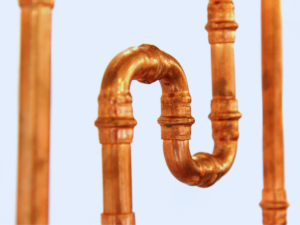
Copper pipes deliver water throughout residential and commercial buildings. They serve as supply lines for hot and cold water.
In some systems, copper is used for HVAC or hydronic heating. Many older homes still rely on copper. Newer builds sometimes mix copper with PEX or other materials.
How Long Do Copper Pipes Last?
- Type K: 80–100+ years (thickest, used underground)
- Type L: 60–80 years (common in homes)
- Type M: 20–50 years (thinner, more prone to leaks)
Hot water lines wear out faster than cold water lines. Pipes inside walls tend to last longer than pipes buried in soil.
What Shortens the Life of Copper Pipes?
- Acidic Water (Low pH): Can cause pitted corrosion and pinhole leaks
- Hard Water and Mineral Buildup: Restricts water flow, increases pressure
- High Water Velocity: Erodes pipe interiors over time
- Soil Conditions: Moisture and salts can corrode buried pipes
- Improper Installation: Tight bends, poor soldering, bad joints
- Old Age and Time: Copper weakens naturally over decades
Warning Signs Your Copper Pipes Are Failing
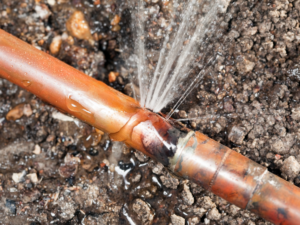 When copper pipes start to fail, signs often appear gradually. Watch for:
- Frequent pinhole leaks
- Blue-green stains on fixtures
- Musty smells or visible water damage
- Rust-colored or metallic-tasting water
- Low water pressure
- Unexplained spikes in your water bill
Pinhole Leaks and Pitted Corrosion in Copper Pipes
Pinhole leaks are small, circular openings in a pipe wall. They form from the inside out, usually due to water chemistry problems.
Chloramines and low pH levels lead to pitted corrosion, which creates weak spots. Pinhole leaks often indicate systemic wear in your plumbing system.
Should You Repair or Replace Copper Pipes?
If your copper pipes are relatively new and you have one or two isolated leaks, a spot repair may work. But if your pipes are older than 40 years or if leaks keep appearing, replacement makes more sense. Waiting too long increases the risk of water damage.
What to Replace Old Copper Pipes With
- New Copper (Type L): Durable, lasts longer, handles high pressure. More expensive.
- PEX: Flexible, corrosion resistant material. Lower cost, easier to install.
- CPVC: Used in some systems but less common today due to heat limitations.
Copper Pros: Long lifespan, proven reliability
Copper Cons: Higher cost, vulnerable to acidic water
PEX Pros: Cheaper, easier to route, less prone to buildup
PEX Cons: Not UV resistant, can be damaged by rodents
Cost to Replace Copper Pipes (2025 Update)
National average for repiping costs range from $1,500 to $15,000, depending on these factors:
- Home Size
- Pipe Access (finished vs. unfinished walls)
- Material Used (Copper vs. PEX)
- Local Labor Rates
How to Extend the Life of Copper Plumbing
Even the best copper pipes won’t last forever, but a few simple habits can stretch their lifespan. Here’s how to keep your plumbing system in good shape and avoid early failure.
- Install a water softener or neutralizer if your water is acidic or hard
- Monitor and regulate water pressure
- Schedule annual inspections with a plumber
- Fix small leaks as soon as you spot them
FAQs About Copper Pipe Lifespan
How do I know if my copper pipes need replacing?
Look for repeat leaks, blue-green stains, low pressure, or water damage. If your home is over 50 years old, get your pipes inspected.
Are copper pipes better than PEX?
Copper lasts longer in ideal conditions. PEX costs less and resists corrosion. Each has trade-offs.
Can you still use copper in 2025?
Yes. Copper remains a reliable pipe material. Many plumbers still install it.
What’s the difference between Type L and Type M?
Type L is thicker and lasts longer. Type M is thinner and cheaper but more likely to leak.
Do insurance policies cover copper pipe failure?
Some policies cover sudden pipe bursts. Gradual leaks or corrosion may not be covered. Review your plan or talk to your insurer.
Don’t Wait Until Your Pipes Fail
 Know what type of copper pipes you have and how old they are. If your plumbing system is aging, inspect it. Test your water. Catch problems early.
For professional copper pipe inspection and repair, Apollo Plumbing is ready right now. We serve Everett, WA and surrounding areas with clean, screened, trained, and timely plumbers.
Let us check the condition of your pipes and give you a clear plan before leaks cost you more.